BACK TO BASICS
Effortless Essentials
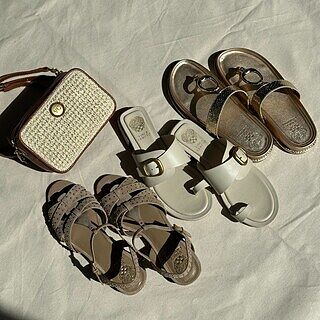
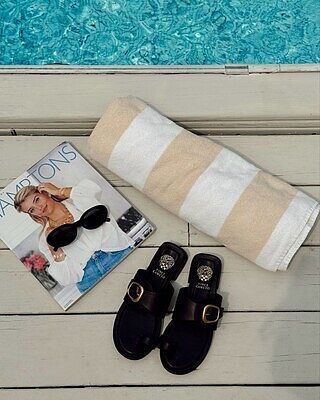
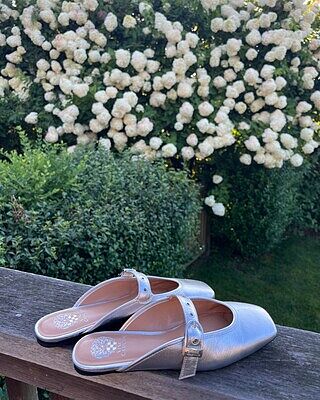
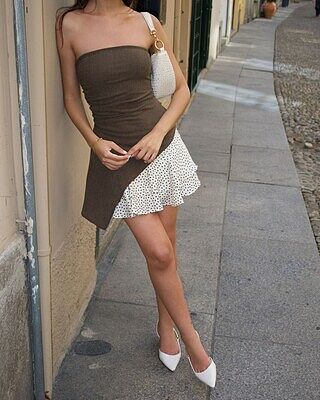
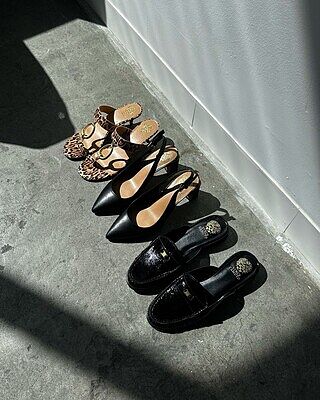
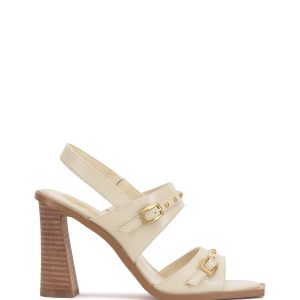
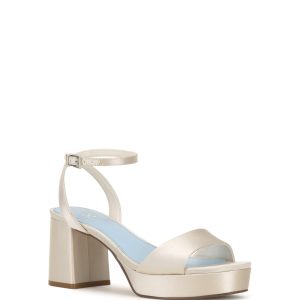
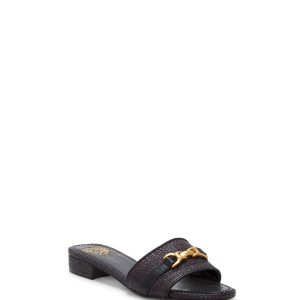
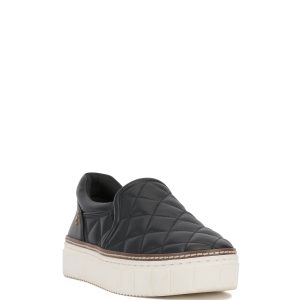
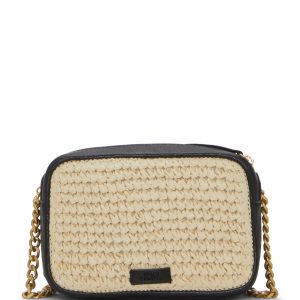
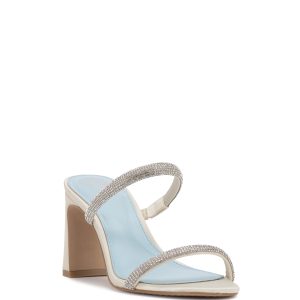
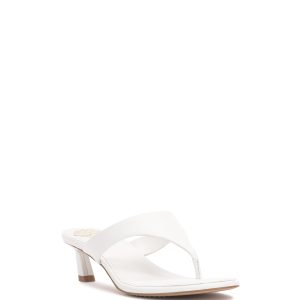
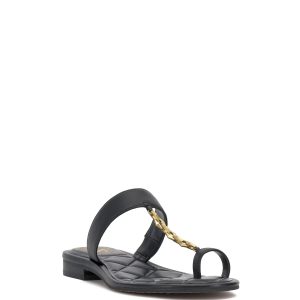
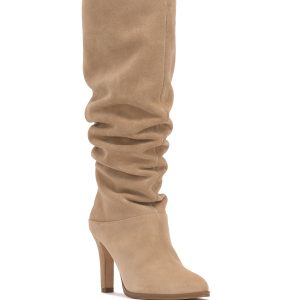
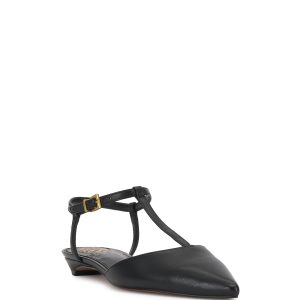
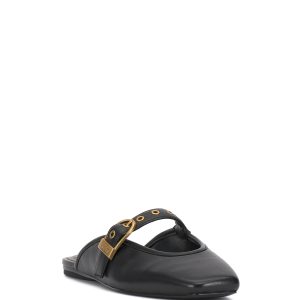
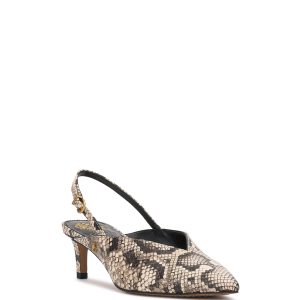
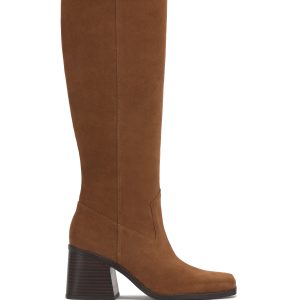
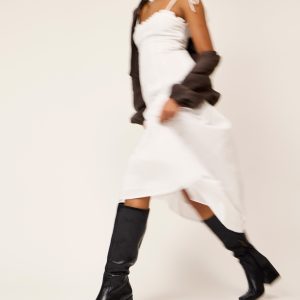
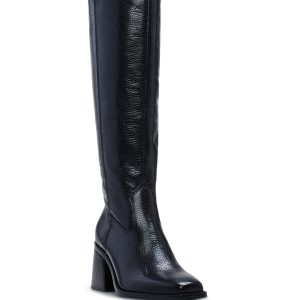
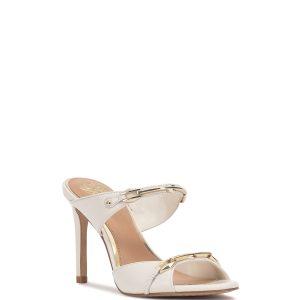
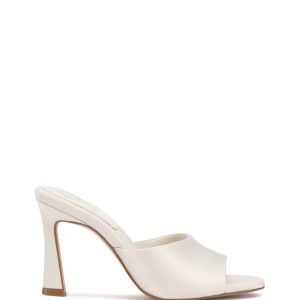
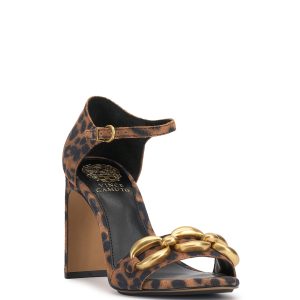
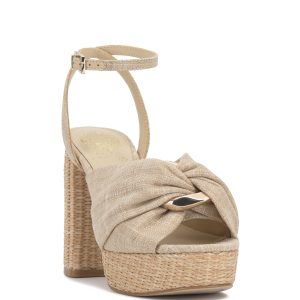
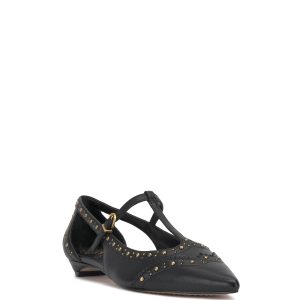
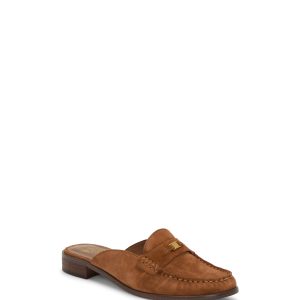
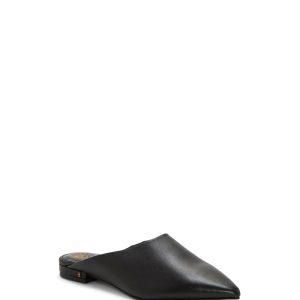
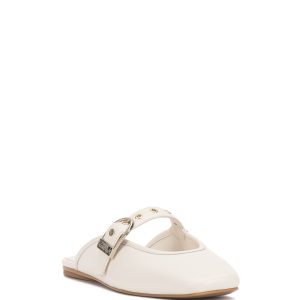
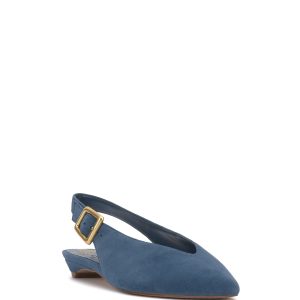
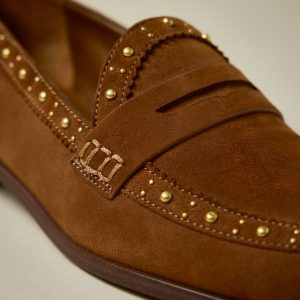
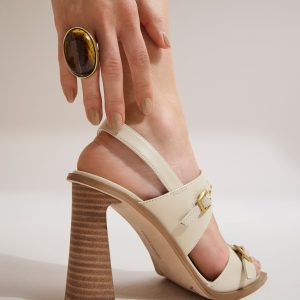
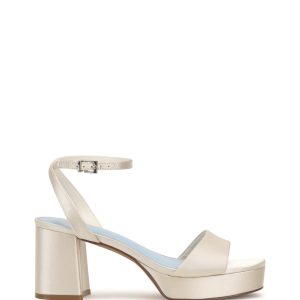
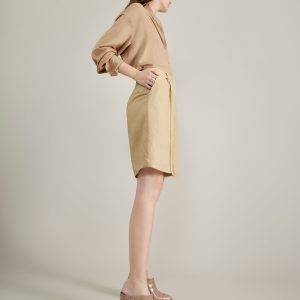
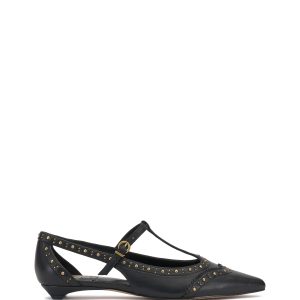
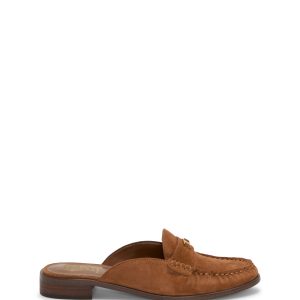
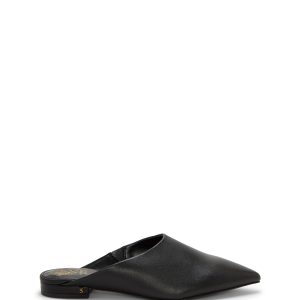
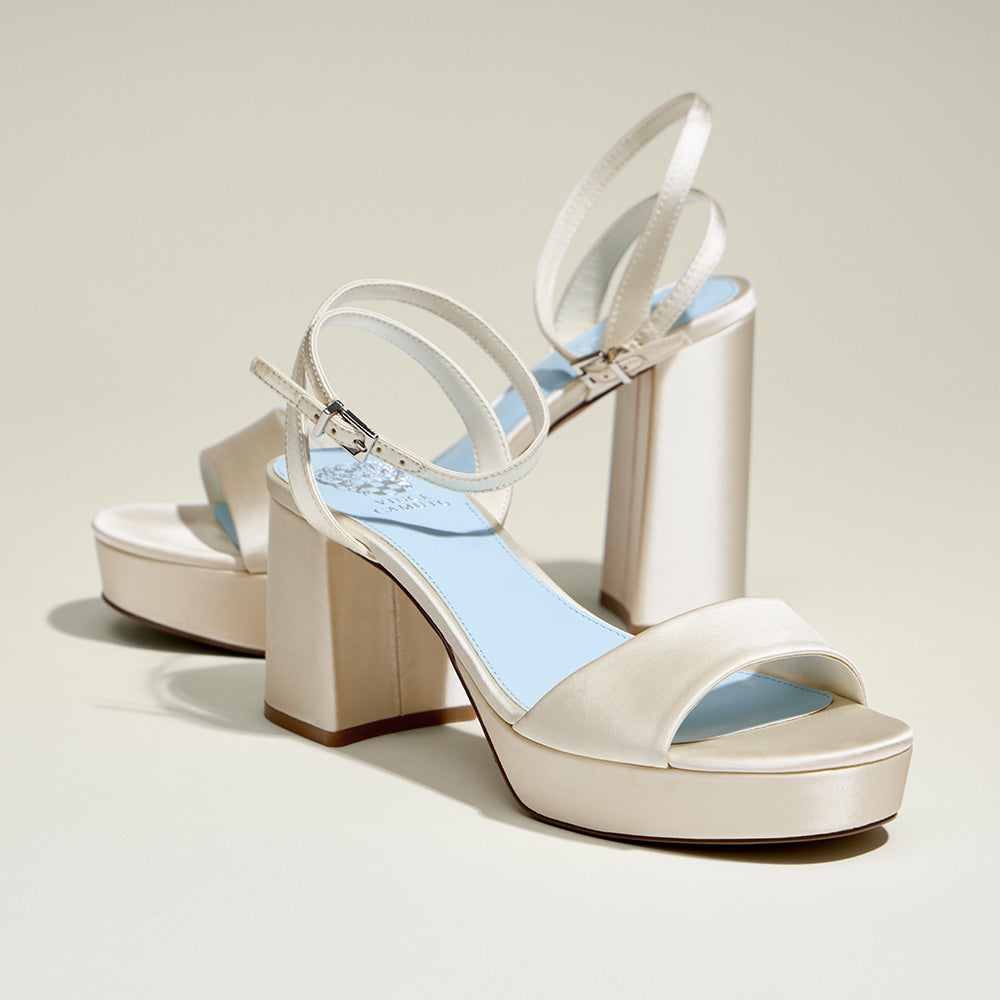
Neutral, minimalist, but always eye-catching

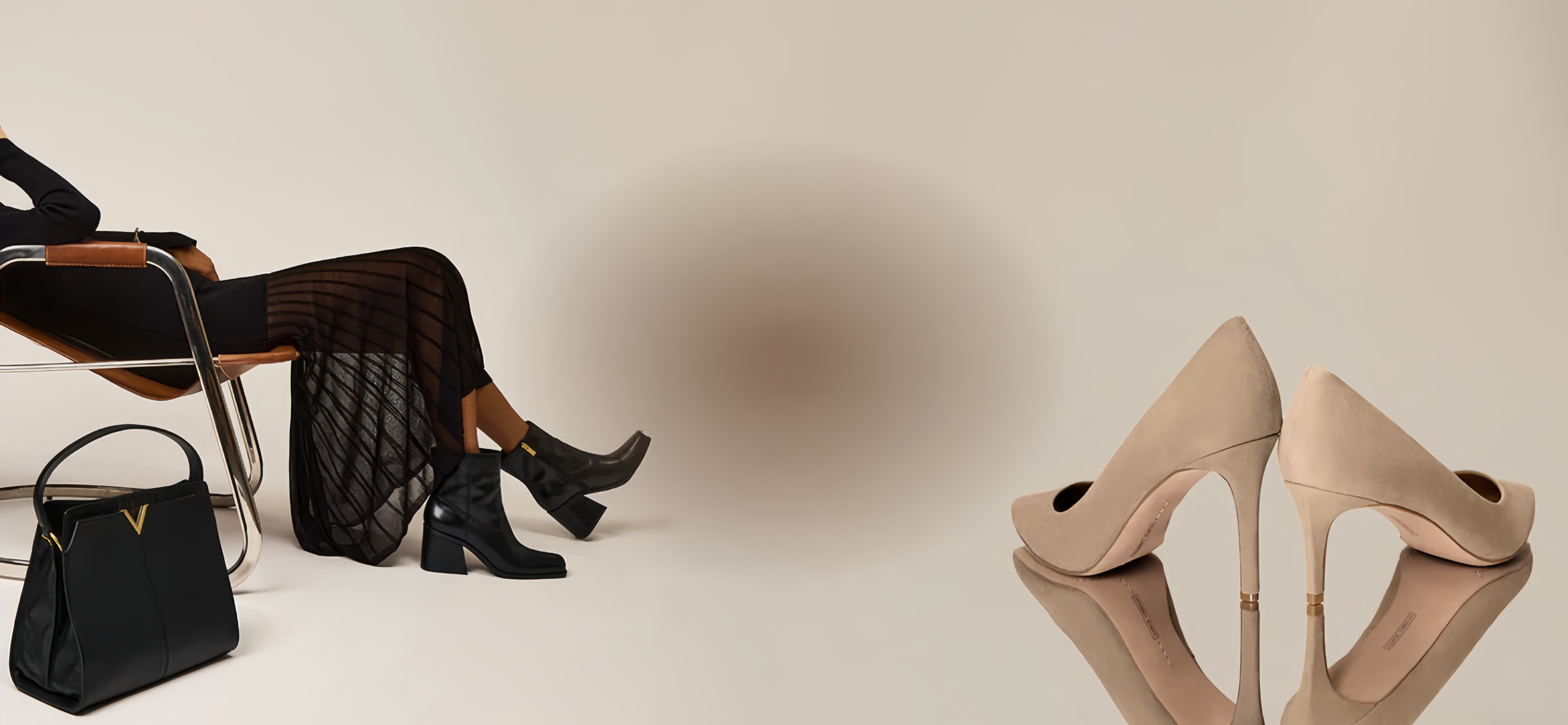
For centuries, the heel has been more than just an accessory; it has been a statement, a symbol, and a source of profound transformation. From the practicalities of ancient Persian cavalry to the runways of Paris, this elevated form has been a constant in the ever-evolving world of fashion. But what is it about the high heel that continues to captivate and empower us?
The journey of the heel began not in the boudoir, but on the battlefield. Persian horsemen used small heels to secure their feet in stirrups, giving them a more stable and powerful posture for archery. This practical innovation soon traveled west, where it was adopted by European nobility. The heel became a signifier of status and wealth. The more elevated and impractical the shoe, the more it demonstrated that one did not have to engage in manual labor. This early association with power and leisure set the stage for the heel’s enduring legacy as an object of prestige.
As fashion trends shifted, so too did the heel’s form and function. In the 17th and 18th centuries, both men and women wore heeled shoes, with styles ranging from the robust Cuban heel to the delicate Louis heel. This period saw the heel become an integral part of courtly dress, with intricate designs and luxurious materials reflecting the opulence of the era. The French court, in particular, became a center for heeled footwear, with designers pushing the boundaries of height and embellishment. It was during this time that the heel began to take on a more distinctly feminine association, as men’s fashion evolved towards more utilitarian forms.
The 19th century brought about a shift towards more modest and practical footwear, but the allure of the heel was never truly lost. The 20th century saw its resurgence in spectacular fashion. The 1920s brought the kitten heel and the T-strap, adding a touch of glamour to the flapper’s rebellious spirit. The 1950s gave birth to the stiletto, a revolutionary design that introduced a thin, steel-reinforced heel. This was a true engineering feat, a perfect blend of form and function that created an impossibly slender and elegant silhouette. The stiletto became a symbol of post-war femininity, confidence, and sophistication. It was a shoe that commanded attention and reshaped the way women walked and stood.
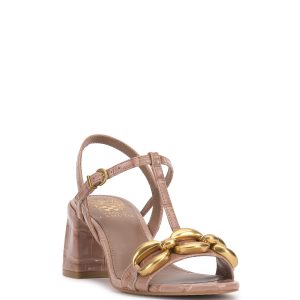
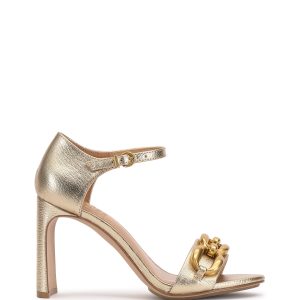
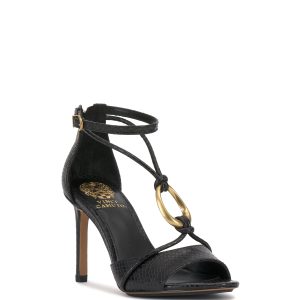
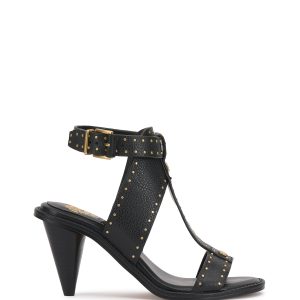
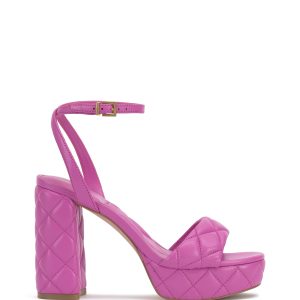
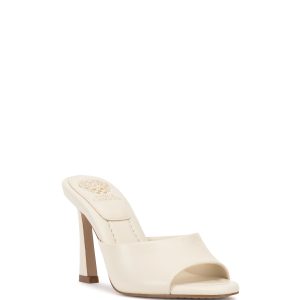
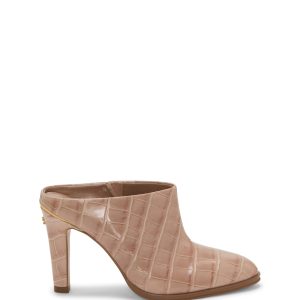
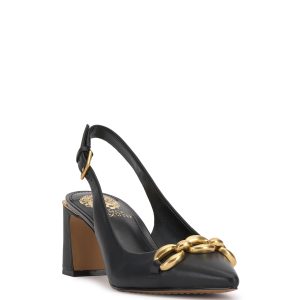
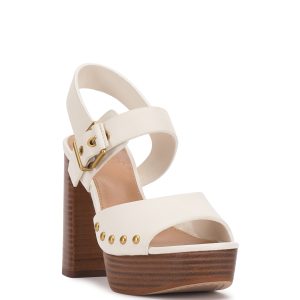
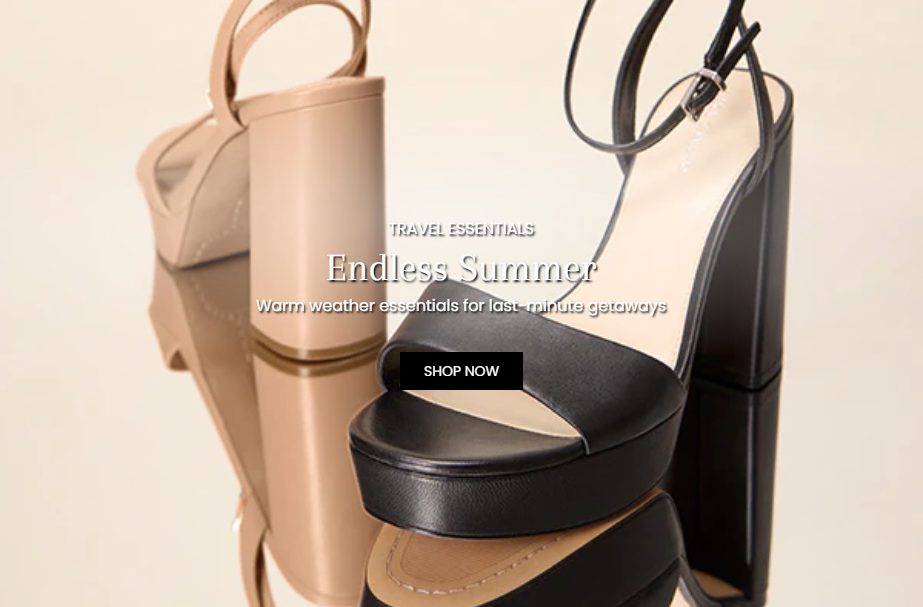
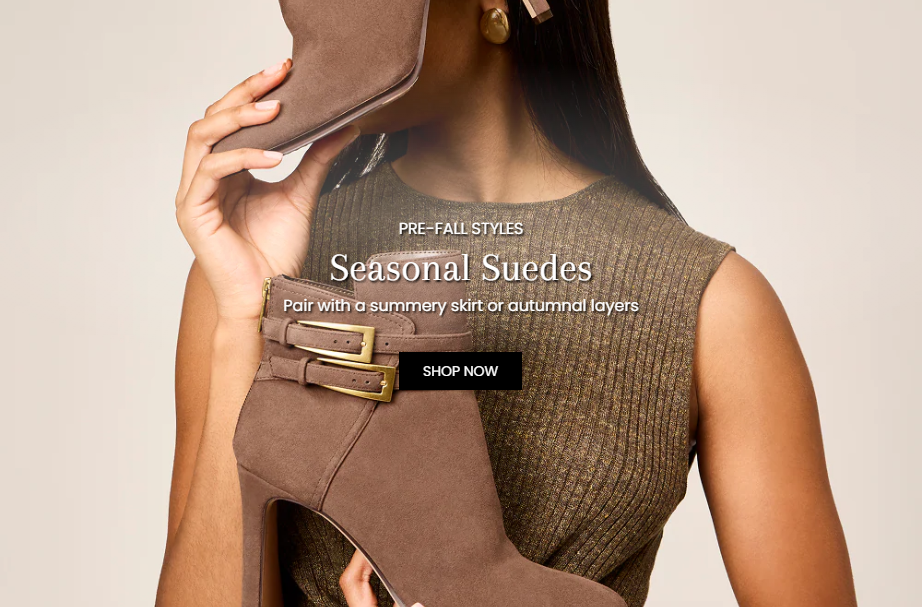
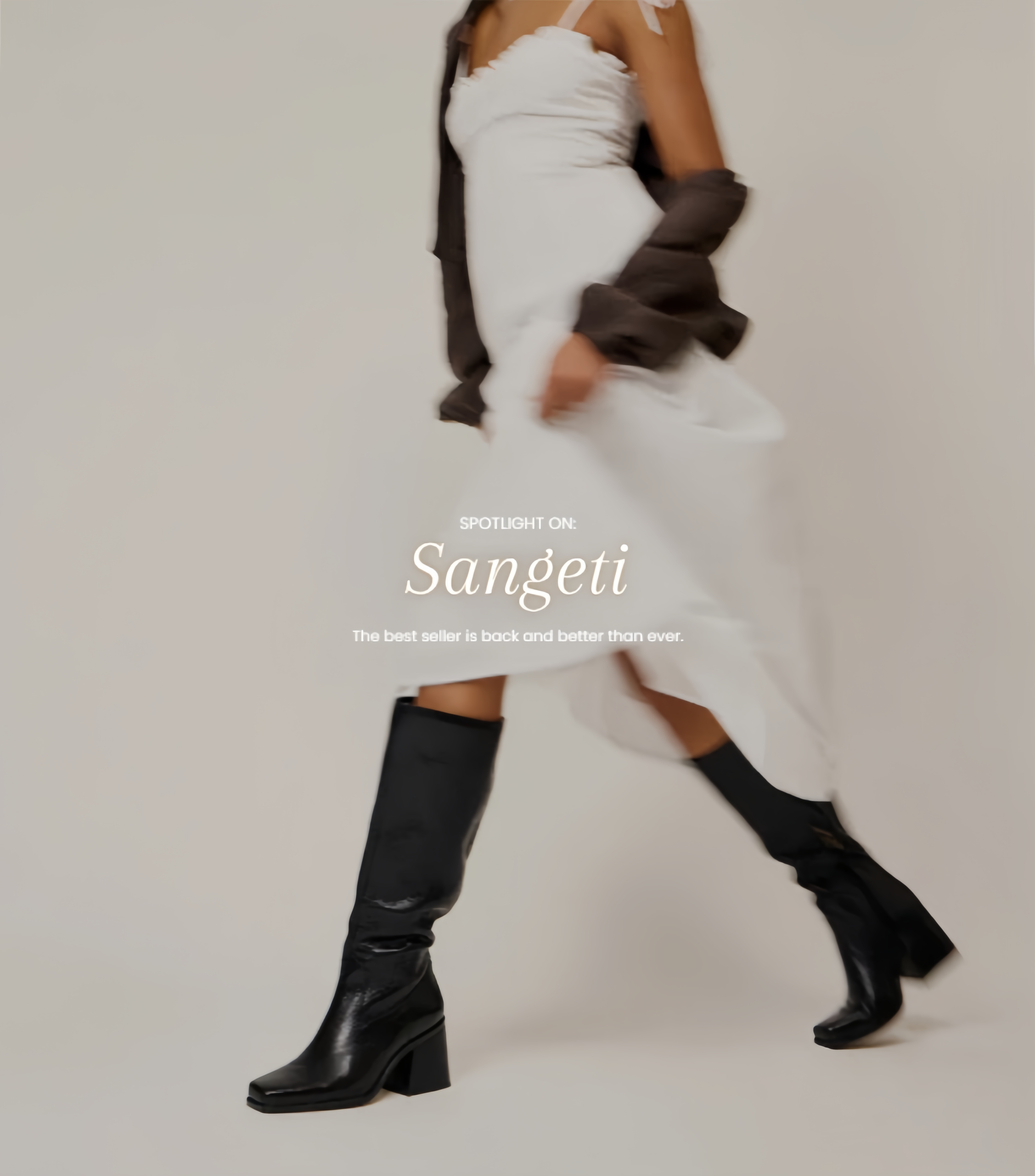
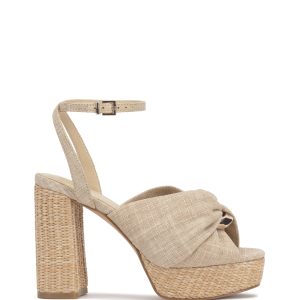
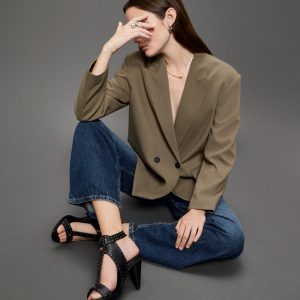
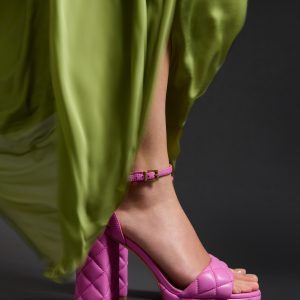
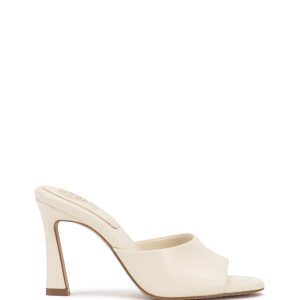
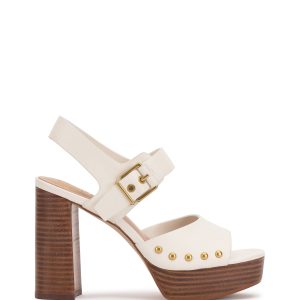
Today, the world of high heels is more diverse than ever. From classic pumps to daring wedges, from chunky block heels to architectural marvels, there is a style for every occasion and every personality. The heel has transcended its historical roles to become a form of self-expression. A person in high heels can feel a shift in their posture, a lengthening of their stride, and an elevation in their confidence. The physical lift provided by the heel is often mirrored by a psychological one. It’s an instant confidence booster, a sartorial shortcut to feeling more put-together and powerful.
The relationship between the wearer and the heel is a deeply personal one. For some, it is a tool of professional armor, a way to project authority in the boardroom. For others, it is a source of celebration, the final flourish to a stunning evening gown. It can be a part of a daily uniform or a special indulgence reserved for momentous occasions. What remains constant is the feeling it imparts. The click-clack of a well-made heel on a hard floor is a sound that announces presence. It’s a rhythm of purpose and poise.
This simple piece of footwear holds within its form centuries of history, culture, and innovation. It is a testament to the fact that fashion is not merely about covering the body, but about sculpting it, about telling a story through silhouette and line. The high heel is a testament to human creativity and a timeless reminder that a little elevation can go a long way. It is, and will likely always be, an emblem of strength, style, and grace.
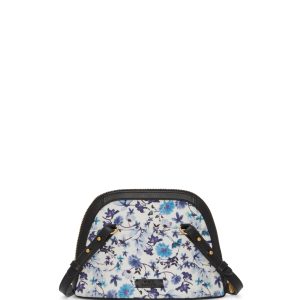
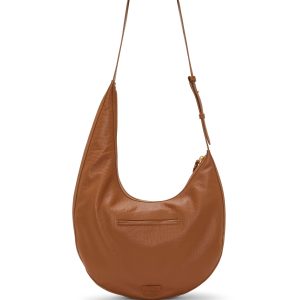
Handbags Accessories
Handbags Accessories-Handbags-The Travel Edit
Handbags Accessories-Handbags-The Travel Edit
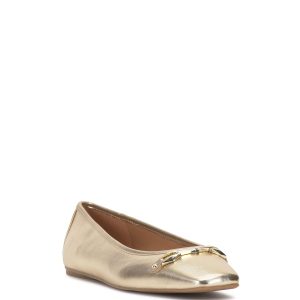
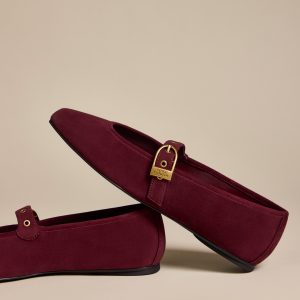
neutral-shoes
neutral-shoes
Handbags Accessories-Handbags-The Travel Edit
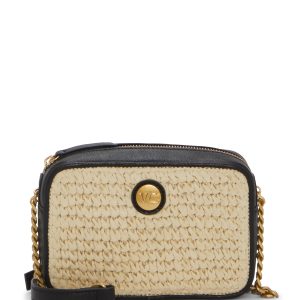
Handbags Accessories
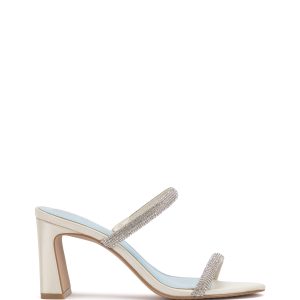
neutral-shoes
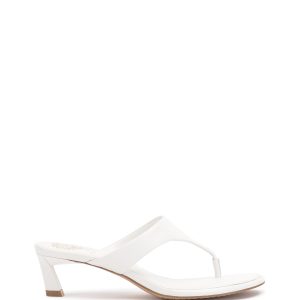
Handbags Accessories-Handbags-The Travel Edit
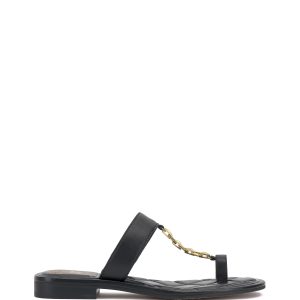
Handbags Accessories-Handbags-The Travel Edit

neutral-shoes
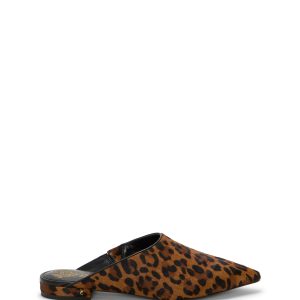
neutral-shoes
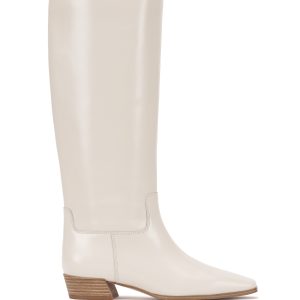
Handbags Accessories-Fall Preview
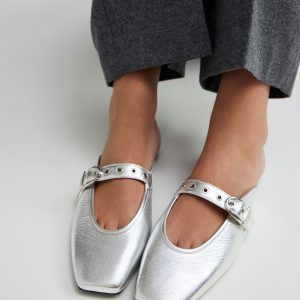
Handbags Accessories-Fall Preview
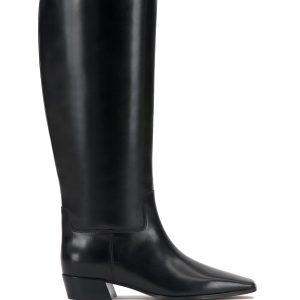
Handbags Accessories-Fall Preview
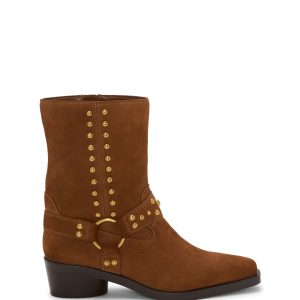
Handbags Accessories-Fall Preview
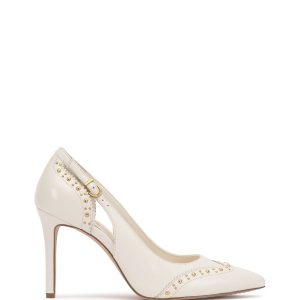
Handbags Accessories-Fall Preview
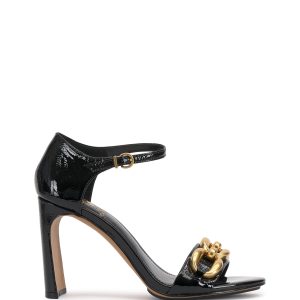
Handbags Accessories-Fall Preview
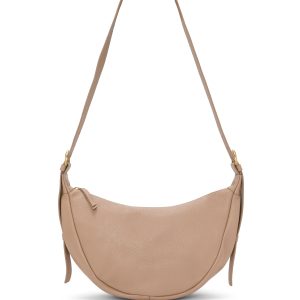
Handbags Accessories
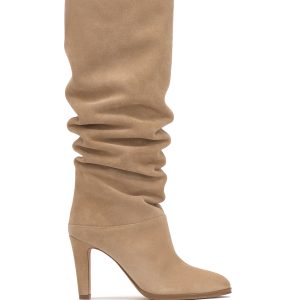
Handbags Accessories-Fall Preview
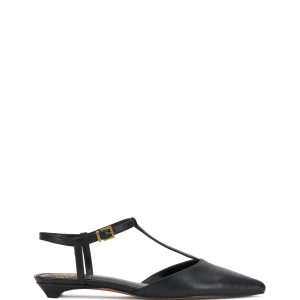
Handbags Accessories-Fall Preview
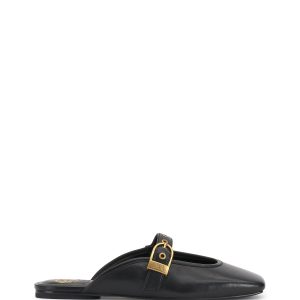
Handbags Accessories-Fall Preview
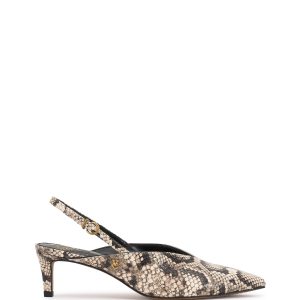
Handbags Accessories-Fall Preview
Handbags Accessories-Fall Preview
Handbags Accessories-Fall Preview
Handbags Accessories-Fall Preview
Handbags Accessories-Fall Preview
Handbags Accessories-Fall Preview
Handbags Accessories-Fall Preview
New
Handbags Accessories-Fall Preview
Handbags Accessories
neutral-shoes
Handbags Accessories-Fall Preview
Handbags Accessories-Fall Preview

New-Featured-Best Sellers
Handbags Accessories-Handbags-The Travel Edit
Handbags Accessories-Handbags-The Travel Edit
neutral-shoes
Handbags Accessories-Handbags-The Travel Edit
Handbags Accessories-Handbags-The Travel Edit
neutral-shoes
neutral-shoes

Handbags Accessories-Handbags-The Travel Edit
New-Featured-Best Sellers

Handbags Accessories-Handbags-The Travel Edit

New-Featured-Best Sellers

Handbags Accessories-Handbags-The Travel Edit
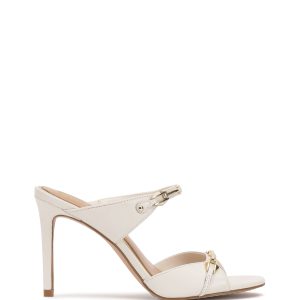
neutral-shoes
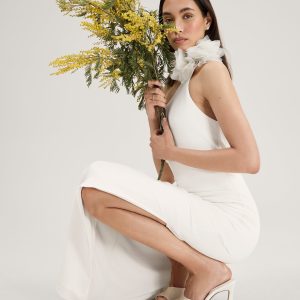
neutral-shoes
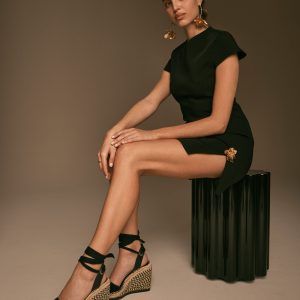
Handbags Accessories-Handbags-The Travel Edit
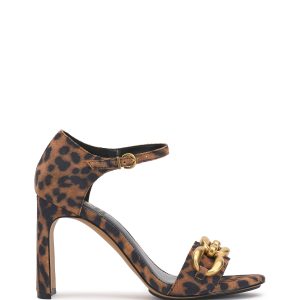
Handbags Accessories-Fall Preview

New-Featured-Best Sellers
Handbags Accessories-Handbags-The Travel Edit

Handbags Accessories-Handbags-The Travel Edit
Handbags Accessories-Fall Preview
Handbags Accessories-Handbags-The Travel Edit
neutral-shoes
neutral-shoes
neutral-shoes
neutral-shoes
neutral-shoes
Handbags Accessories-Fall Preview
neutral-shoes
Handbags Accessories-Fall Preview
neutral-shoes

neutral-shoes
Handbags Accessories-Fall Preview
New-Featured-Best Sellers
New
neutral-shoes

Shoes-Categories-Heels

Shoes-Categories-Heels
New-Featured-Best Sellers
Handbags Accessories-Handbags-The Travel Edit
neutral-shoes
neutral-shoes
Handbags Accessories-Handbags-The Travel Edit
neutral-shoes
Handbags Accessories-Fall Preview
Handbags Accessories-Fall Preview
neutral-shoes
Handbags Accessories-Fall Preview
Handbags Accessories-Handbags-The Travel Edit
Handbags Accessories-Handbags-The Travel Edit
Handbags Accessories-Fall Preview
neutral-shoes
neutral-shoes
Handbags Accessories-Handbags-The Travel Edit
Handbags Accessories-Fall Preview
Handbags Accessories-Fall Preview
Handbags Accessories-Fall Preview
Handbags Accessories-Handbags-The Travel Edit
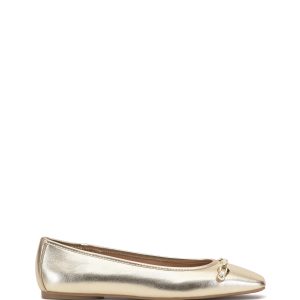
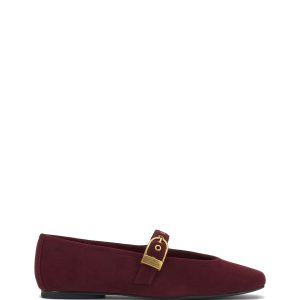
Handbags Accessories
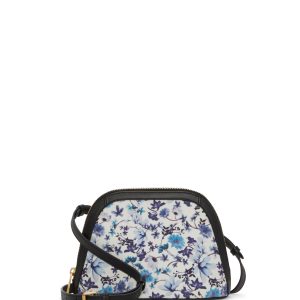
Handbags Accessories
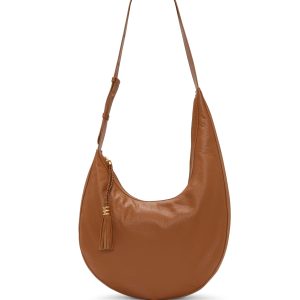
Handbags Accessories
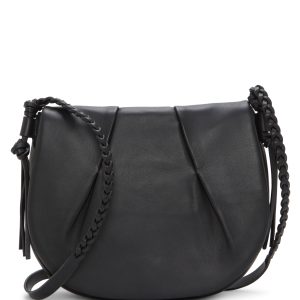
Handbags Accessories
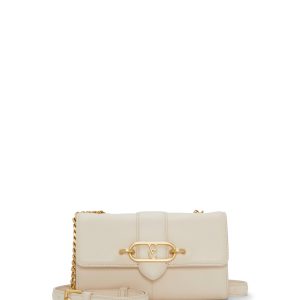
Handbags Accessories
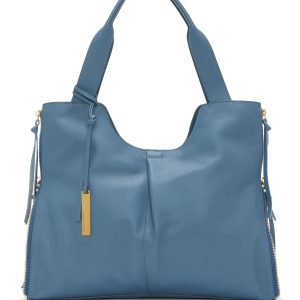
Handbags Accessories
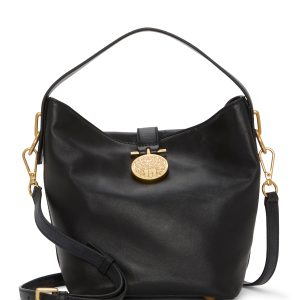
Handbags Accessories
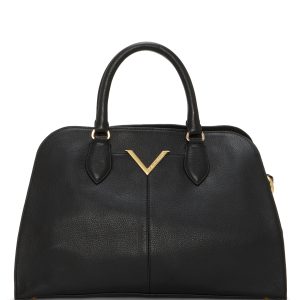
Handbags Accessories
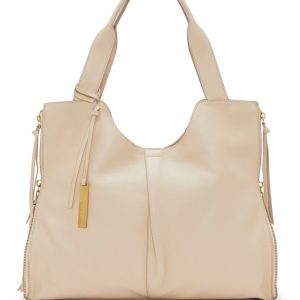
Handbags Accessories
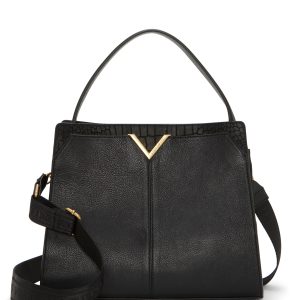
Handbags Accessories
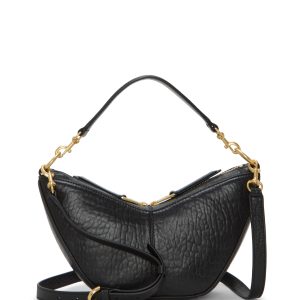
Handbags Accessories
Handbags Accessories
Shop Our Feed